Desert Dreams: How to Create the Ultimate Low-Maintenance Landscape in Phoenix, AZ
Transform your outdoor space into a sustainable desert oasis with our expert guide to landscaping in the Valley of the Sun. Discover how to balance beauty, function, and water efficiency in Phoenix, AZ.
Living in the heart of the Sonoran Desert, we residents of Phoenix, AZ know that our environment is as beautiful as it is demanding. Landscaping here isn't quite the same as it is in the Midwest or the Pacific Northwest; we don't have the luxury of endless rain or naturally lush green grass. Instead, we have to navigate intense sun, triple-digit temperatures, and limited rainfall. But that doesn't mean your yard can't be a vibrant, inviting sanctuary. In fact, some of the most stunning and creative landscape designs in the country are right here in the Valley. Whether you are looking to save on your monthly water bill or simply want a backyard that reflects the natural majesty of the desert, understanding the local climate is the first step to success. In this guide, we will explore how you can turn your property into a true desert masterpiece.
Mastering Xeriscaping for the Phoenix Climate
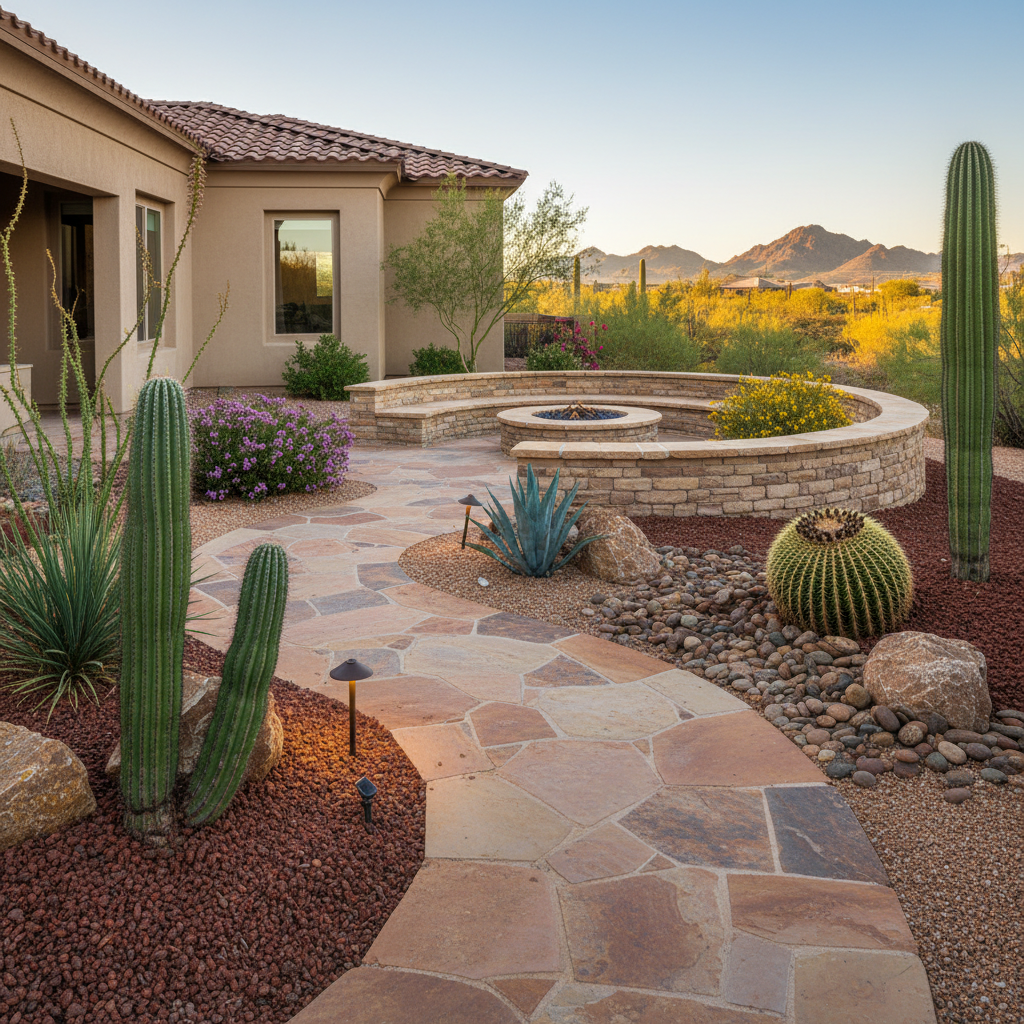
When people hear the word xeriscaping, they often think of a desolate yard full of gray gravel and a single lonely cactus. In Phoenix, AZ, xeriscaping is actually an art form that combines high-efficiency water conservation with vibrant aesthetics. The key is choosing plants that are either native to our region or well-adapted to arid climates. Plants like the Desert Willow, Red Bird of Paradise, and various Agave species thrive here with minimal intervention. These plants have evolved over thousands of years to handle the Phoenix sun, meaning they won't wilt the moment the mercury hits 110 degrees in June.
To make xeriscaping work for your home, you should practice hydrozoning. This involves grouping your plants based on their specific water needs. By putting your thirstier plants, like citrus trees or hibiscus, together and keeping your drought-tolerant succulents in another zone, you can tailor your drip irrigation system to deliver exactly what is needed and nothing more. This prevents overwatering, which is actually one of the leading causes of plant death in Phoenix, AZ. Using organic or inorganic mulch, such as decomposed granite in shades of gold or tan, helps retain soil moisture and keeps the roots cool. A well-designed xeriscape can reduce your outdoor water use by over 50 percent while significantly increasing your property’s curb appeal and resale value.
Boosting Your Home’s Curb Appeal with Hardscaping
In Phoenix, AZ, a great landscape isn't just about the greenery. Hardscaping—the non-living elements of your yard—plays a massive role in creating functional outdoor living spaces. Since we enjoy comfortable evenings for much of the year, features like pavers, fire pits, and outdoor kitchens are incredibly popular additions. When choosing materials for your hardscaping, it is important to think about heat. Light-colored travertine or concrete pavers can help reflect heat rather than absorbing it, making your patio much more comfortable during those warm Phoenix afternoons.
Adding a focal point like a stone fountain or a sculptural saguaro can give your yard a professional, curated look. But don't forget about lighting! Landscape lighting not only provides safety for your walkways but also highlights the architectural beauty of your plants after the sun goes down. Soft LED lights tucked under bushes or shining up into the canopy of a majestic Velvet Mesquite tree can transform a standard Phoenix backyard into a high-end resort-style retreat. Hardscaping provides the structure that makes your yard usable, ensuring that you can enjoy the Arizona outdoors year-round.
Essential Seasonal Maintenance for Valley Homeowners
Maintaining a beautiful yard in Phoenix, AZ requires a bit of foresight and a consistent schedule. Our seasons are a bit different than the rest of the country; while others are preparing for snow, we are often gearing up for our secondary growing season in the fall. Pruning is essential, but it must be done with care. Over-pruning during the peak of summer can expose the sensitive bark of trees like the Palo Verde to sunscald, which can lead to permanent damage or disease. It is always better to prune lightly and more frequently than to do a heavy chop that leaves your plants vulnerable to the intense Phoenix sun.
Irrigation maintenance is perhaps the most critical task for any homeowner in Phoenix, AZ. A single leak in a drip line or a broken sprinkler head can waste hundreds of gallons of water and lead to a shocking utility bill. Check your timers regularly, especially when the seasons shift. What worked in the cool days of February will not sustain your plants through a scorching July. Keeping an eye on soil health is also vital; adding a layer of compost once or twice a year can provide the nutrients necessary for your desert plants to flourish despite the alkaline soil typical of the Valley. Additionally, before the monsoon season arrives in Phoenix, it is wise to thin out the canopies of your larger trees to prevent them from catching the wind like a sail and toppling over during a desert storm.
If you find yourself overwhelmed by the unique demands of the desert climate, don't worry. You don't have to tackle the heat alone. At Arizona Yard Maintenance, we specialize in helping Phoenix, AZ homeowners create and maintain outdoor spaces that are as durable as they are beautiful. From expert irrigation repair and seasonal cleanups to complete landscape transformations, we have the local knowledge and professional tools to make your yard the envy of the neighborhood. Contact Arizona Yard Maintenance today to see how we can bring your desert landscape vision to life and keep your property looking its best through every season.
Further Reading & Resources
- Water Use It WiselyOur Top Landscape Ideas for the Arizona Desert
- University of Arizona Cooperative ExtensionCare of Desert Adapted Plants
- Arizona Municipal Water Users AssociationPlants for the Arizona Desert